Food is more than just fuel — it’s culture, history, and emotion served on a plate. What’s fascinating is how the same meal can taste completely different depending on where you eat it. Ingredients, climate, cooking techniques, and even local traditions quietly change the flavor. Let’s explore 20 popular meals that prove location truly matters.
- Pizza
Light, airy, and straightforward, Italian pizza is frequently topped with just tomato, mozzarella, and basil. In the US, it becomes heavier, cheesier, and loaded with toppings. Same name, totally different experience.
- Sushi
Japanese sushi focuses on freshness and subtle flavor. Outside Japan, sushi often includes sauces, fried rolls, and creative twists that overpower the fish.
- Curry
Indian curry varies wildly by region, but outside India it’s often simplified into one thick, creamy dish. Authentic versions rely more on spices than cream.
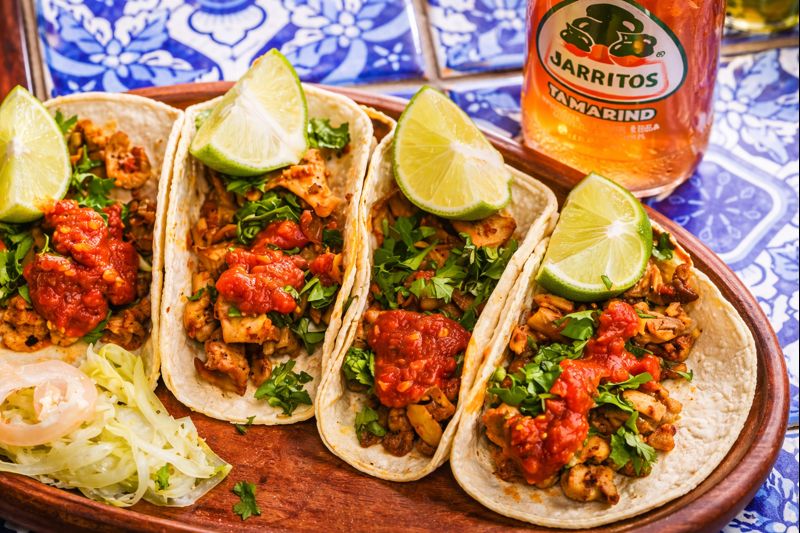
- Tacos
In Mexico, tacos are soft corn tortillas with simple fillings. Elsewhere, they’re often crunchy, overloaded, and topped with cheese and sour cream.
- Pasta
Italian pasta is all about balance and texture. In many other countries, it’s drowned in sauces and cheese, masking the original flavor.
- Croissant
A French croissant is buttery, flaky, and light. Outside France, it’s often denser and sweeter, losing its delicate texture.
- Fried Chicken
In other regions, it may lack spices or be prepared with completely different coatings.
- Pad Thai
In Thailand, Pad Thai is tangy and balanced. Abroad, it’s usually sweeter and heavier on peanuts and sauces.
- Biryani
Biryani changes from city to city in India itself. Outside India, it often becomes a generic rice dish without the layered depth of flavor.
- Burger
American burgers focus on meat quality and simplicity. In other countries, burgers may be smaller, spicier, or loaded with unique local toppings.
- Ramen
Japanese ramen has rich broth developed over hours. International versions often rely on shortcuts, losing depth and authenticity.
- Shawarma
In the Middle East, shawarma is juicy and subtly spiced. Elsewhere, it’s often drier and heavily sauced.
- Pho
Vietnamese pho has a clear, aromatic broth. Outside Vietnam, it can be heavier and less fragrant.
- Fish and Chips
In the UK, it’s light and crispy with malt vinegar. In other places, it may feel greasy and overly battered.
- Dim Sum
Authentic dim sum in China focuses on delicate flavors. Abroad, dishes are often modified for stronger tastes.
- Paella
Spanish paella uses minimal seasoning and focuses on rice texture. Elsewhere, it’s overloaded with seafood and spices.
- Falafel
Middle Eastern falafel is crisp outside, soft inside. In other regions, it’s often dry and dense.
- Kimchi
In Korea, kimchi varies by season and region. Store-bought or international versions often lack complexity.
- Chocolate
European chocolate is rich and smooth. Some countries use more sugar and less cocoa, changing the entire taste.
- Street Chai
Indian street chai is bold and spiced. Café versions abroad are often sweeter and less aromatic.
Why Location Changes Taste
Food flavor depends on local ingredients, water quality, climate, and traditional cooking methods. Even the cook’s experience and cultural habits play a role. What tastes “authentic” in one place may feel completely different elsewhere.
Final Thoughts
The beauty of food lies in its diversity. Eating the same dish in different parts of the world is like hearing the same song in different languages — familiar, yet new every time. If you truly want to understand a culture, taste its food where it was born.