
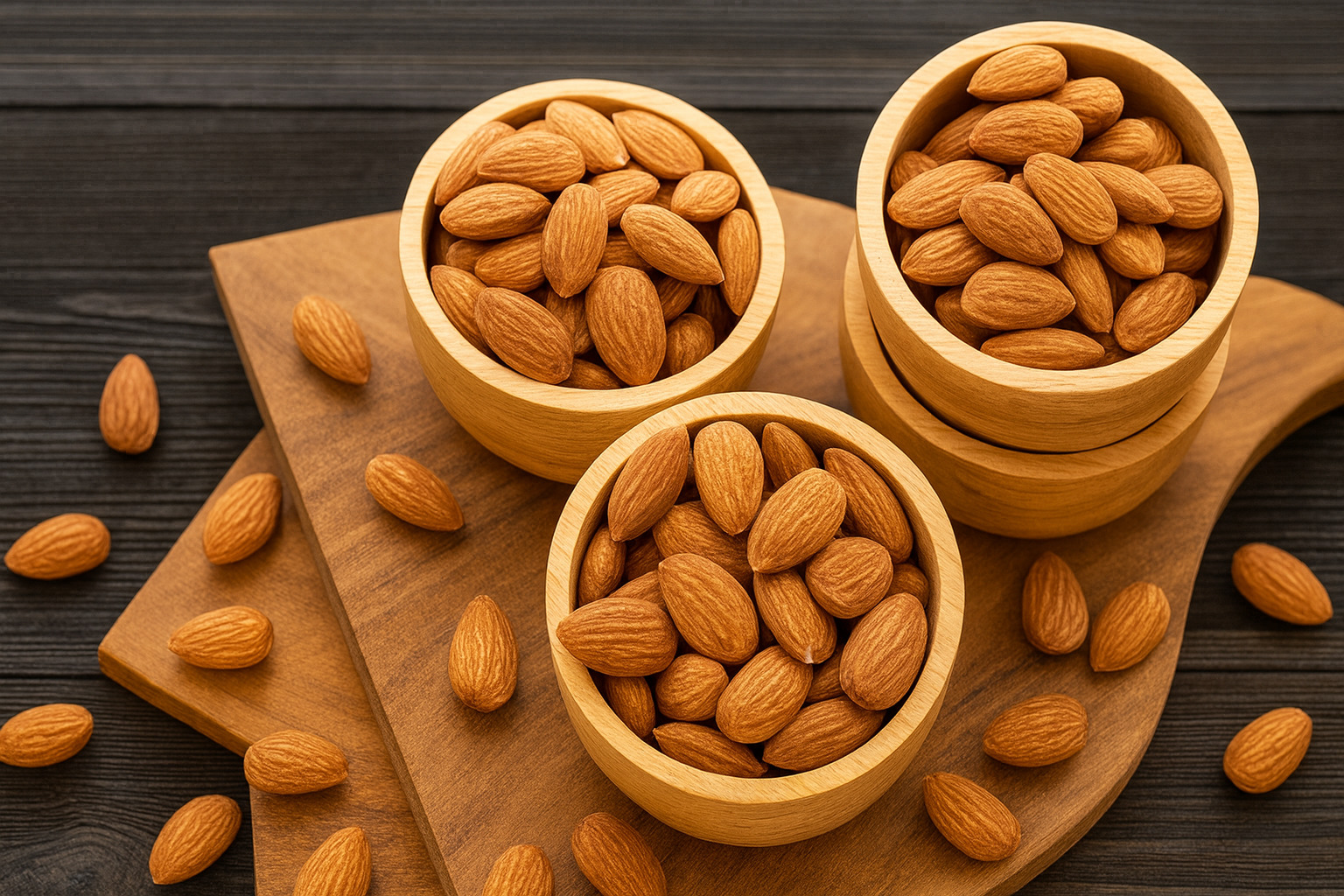
Almonds are widely known as a nutritious snack and a solid source of magnesium. A single 1-ounce (28-gram) serving provides about 76.5 milligrams of magnesium, which equals roughly 18% of the Daily Value (DV). While that’s impressive, almonds are far from the richest source available.
Many seeds, legumes, leafy greens, whole grains, and even some seafood offer significantly more magnesium per serving. Including a variety of these foods in your diet can make it easier to meet your daily magnesium needs and support muscle function, nerve health, and energy production.
Below are five categories of foods that contain more magnesium than almonds, along with simple ways to enjoy them.
1. Nuts and Seeds
Nuts and seeds are nutritional powerhouses, providing magnesium along with healthy fats, protein, vitamin E, zinc, and selenium. Several varieties contain more magnesium per serving than almonds.
Top magnesium-rich options include:
- Hemp seeds: ~210 mg per 1 oz (about 3 tablespoons, hulled)
- Pumpkin seeds: ~168 mg per 1 oz
- Brazil nuts: ~107 mg per 1 oz (about 6 nuts)
- Chia seeds: ~95 mg per 1 oz
- Pilinuts: ~86 mg per 1 oz
- Cashews: ~83 mg per 1 oz
Nut-Based Boosters
Nut butters and flours are another easy way to increase magnesium intake:
- Almond flour: ~125 mg per 50 g (just under ½ cup)
- Sesame butter (tahini): ~116 mg per 2 tablespoons
- Almond butter: ~89 mg per 2 tablespoons
How to use them:
Blend nut butters into smoothies, add nut flours to baked goods, or sprinkle seeds over yogurt, salads, and oatmeal.
2. Legumes and Pulses
Beans, lentils, chickpeas, soybeans, peas, and peanuts are examples of legumes. While many contain moderate magnesium levels, some provide nearly double the amount found in almonds.
High-magnesium legumes include:
- Soybeans: ~148 mg per cup, cooked
- Lima beans: ~126 mg per cup, cooked
- Black beans: ~120 mg per cup, cooked
- Adzuki beans: ~120 mg per cup, cooked
- Edamame: ~99 mg per cup, cooked
- Navy beans: ~97 mg per cup, cooked
- Chickpeas: ~79 mg per cup, cooked
Improve Absorption
Legumes naturally contain compounds like phytates and oxalates, which can reduce mineral absorption. Soaking beans before cooking helps lower these compounds and may improve magnesium availability.
3. Leafy Greens and Vegetables
Most vegetables aren’t especially high in magnesium, but leafy greens are a notable exception. Several provide more magnesium per serving than almonds.
Standout choices include:
- Spinach: ~157 mg per cup, cooked
- Swiss chard: ~150 mg per cup, cooked
- Beet greens: ~98 mg per cup, cooked
- Acorn squash: ~88 mg per cup, cooked
Easy ways to eat more greens:
Add them to omelets, soups, stir-fries, smoothies, salads, or roast them into crunchy snacks like kale chips.
4. Whole Grains
Whole grains supply magnesium along with fiber, B vitamins, and antioxidants. Refining grains removes much of their mineral content, making whole grains the better option.
Whole grains highest in magnesium include:
- Amaranth: ~160 mg per cup, cooked
- Teff: ~126 mg per cup, cooked
- Quinoa: ~118 mg per cup, cooked
- Brown rice: ~86 mg per cup, cooked
- Buckwheat groats: ~86 mg per cup, cooked
Choose Whole Over Refined
Processing grains dramatically lowers magnesium content. For example, white rice contains only about one-fifth of the magnesium found in brown rice. Swapping white flour for whole wheat flour can increase magnesium intake nearly sixfold per cup.
5. Seafood
Most seafood contains modest magnesium levels, but certain fatty fish and shellfish stand out.
Magnesium-rich seafood options:
- Canned oysters: ~150 mg per large can
- Canned tuna: ~100 mg per can
- Mackerel: ~85 mg per cooked fillet
- Salmon: ~81 mg per 3-ounce serving
Serving ideas:
Add canned fish to salads, sandwiches, pasta dishes, or grain bowls for a convenient magnesium boost.
Practical Ways to Get More Magnesium
Breakfast
- Top oatmeal with seeds and nuts
- Use whole-grain or nut flours in pancakes
- Add leafy greens to omelets or smoothies
Lunch & Dinner
- Build quinoa or amaranth bowls with vegetables and protein
- Make bean-based soups, stews, or chili
- Roast squash or leafy greens as side dishes
- Use whole-grain wraps or tortillas
Snacks & Treats
- Sprinkle seeds on yogurt
- Make chia pudding
- Roast edamame
- Spread nut butter on fruit
- Create trail mix with pumpkin seeds, Brazil nuts, and cashews
The Bottom Line
Almonds are a nutritious source of magnesium, but they aren’t the top option. Foods like hemp seeds, pumpkin seeds, leafy greens, legumes, whole grains, and certain seafood provide even higher amounts per serving.
To meet your daily magnesium needs more easily, focus on variety. Including foods from several of these categories can support overall health while keeping meals flavorful and satisfying.